FISHINN – The final conference
Relive the FISHINN final conference: 3 years of collaboration driving innovation for fisheries ecosystems.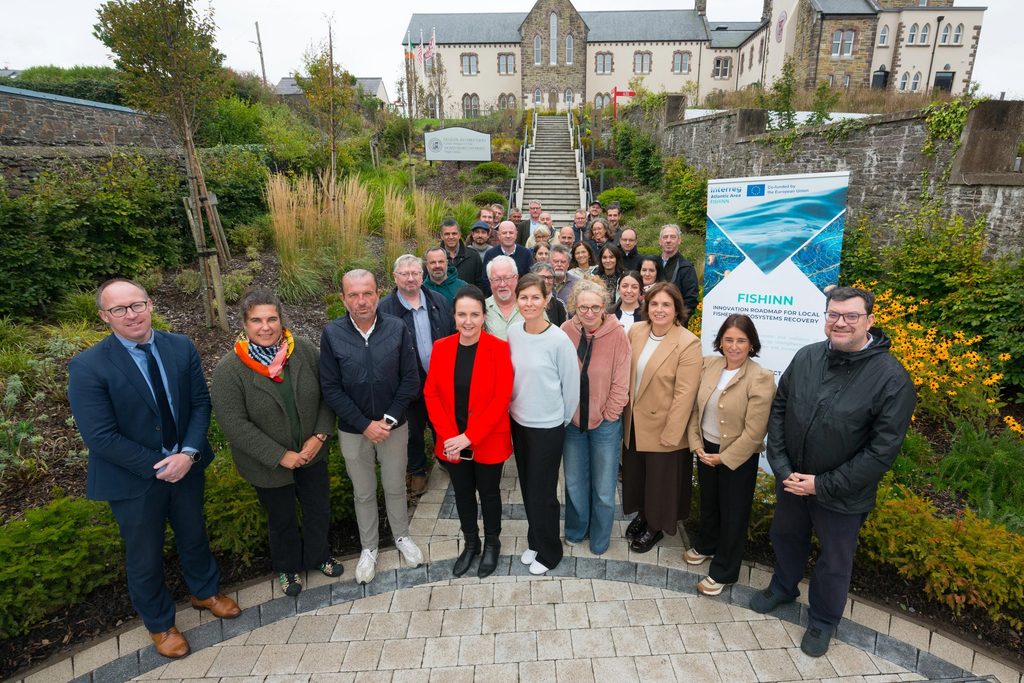
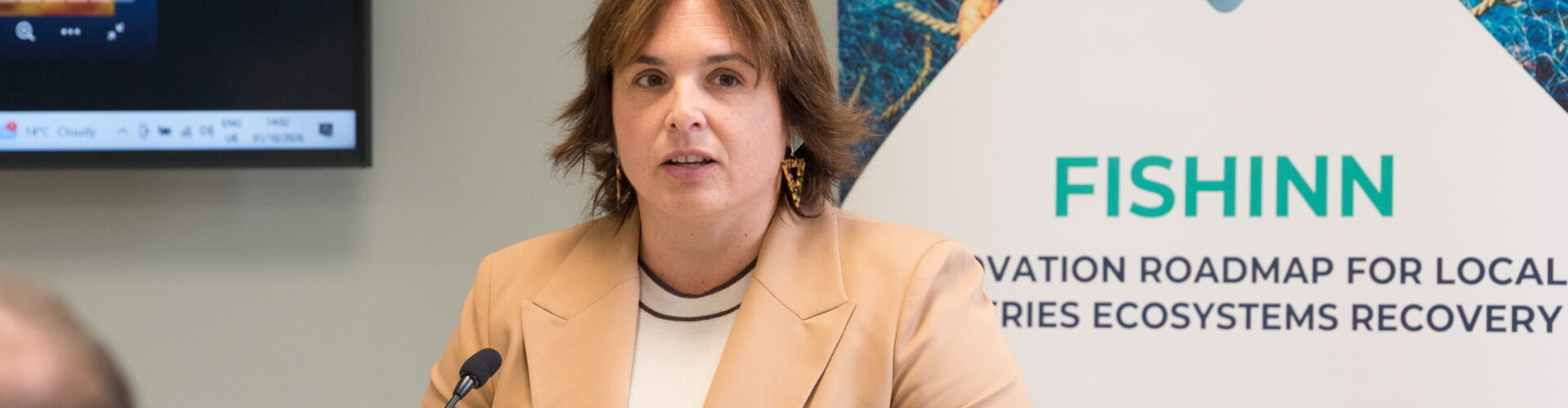
On October 1, the FISHINN project concluded with a final event, held in Dingle, bringing together partners from Ireland, Basque Country, Brittany and Portugal to review the work carried out and to, together, look ahead.
This session gathered not only the project partners but also their respective delegations: key stakeholders from the fishing sector, including public bodies, fishers, associations and professional organisations.
After an introduction to the project, setting out the context and the objectives of the discussions, James Nolan, director of services at Kerry County Council, addressed the issues the project set out to tackle and the wider context for the coastal economy in Kerry, including the local authority’s role in piers, harbours, planning and enterprise supports.
Four regions and four roadmaps but common shared challenges
Each partner presented their region’s innovation roadmaps and the priorities identified during the project. The four pilot ecosystem, the project’s study sites, were presented by their respective partners: Kerry (Ireland) by Munster Technological University, Circular Bioeconomy Research Group; Ondarroa (Basque Country) by Leartibai Fundazioa; Cornouaille (Brittany) by Technopole Quimper-Cornouaille and Pôle Mer Bretagne Atlantique; and Sines (Portugal) by Sines Tecnopolo.
Despite distinct territorial identities and structural differences in species, fishing fleets and scale, the four ecosystems identified common challenges:
- Skills, training and succession, and the lack of clear routes for young people into the sector.
- Species movement and changing distributions, and their consequences for ports that have fished the same grounds for generations. Each region faces this at a different latitude and stage, which makes the exchange between them directly useful rather than merely comparative
- Adding value beyond the first sale, drawing on the processes other regions use to increase returns and strengthen value chains.
- Increase the use and added value of co-products
- Existing blue economy opportunities beyond fishing, including aquaculture, energy, blue biotechnology, and health and nutrition products.
- Recovery and reuse of plastics and end-of-life fishing gear.
And, what’s next ?
Over three years of large-scale collaboration, FISHINN has built lasting working relationships between organisations, research centres and blue bioresource and biotechnology operations across the partner regions. These links give the project a legacy that extends well beyond its formal end.
The project has led to the creation of regional innovation roadmaps, each owned by its region and designed to guide activity beyond the life of the project. More concretely, actions have already emerged from FISHINN. This is the case in Ireland, where a national cluster and steering group has been formed for the fisheries and blue economy sector, with MTU as a key partner providing the southwest node.
With roadmaps in hand and a network in place, the foundations are laid for the four regions to move from shared reflection to shared action, in the service of a more resilient and innovative fishing sector.